Why Personalized Care Plans for Seniors Lead to Better Outcomes
When a parent or spouse begins to need extra help with daily life, the search for the right support can feel overwhelming. There are so many options, and the brochures all promise "compassionate care." But what really makes a difference is how well the care fits the person. A one-size-fits-all approach rarely works for older adults, whose needs, preferences, and routines are as unique as their life stories.
I have spent years working with families during this transition, and the single most important factor I have seen in successful outcomes is the presence of truly personalized care plans for seniors. These are not just checklists on a clipboard. They are living documents that evolve with the individual, reflecting their medical history, daily habits, social preferences, and even their quirks. When a care plan is built around the person rather than forcing the person into a standard schedule, the results are measurable: fewer hospital readmissions, better medication adherence, and a noticeable improvement in mood and engagement.
What Makes a Care Plan Truly Personalized?
A genuine personalized care plan starts long before the first day of care. It begins with a deep conversation. The family, the senior, and the care team sit down together. They talk about what a typical day looks like. Does this person like to sleep in, or are they up at dawn? Do they prefer a hot breakfast or just coffee and toast? Are they social and eager to join group activities, or do they value quiet time with a book? These details might seem small, but they shape the entire experience of daily life.
Medical needs are obviously critical, but they should not dominate the plan. A good plan balances clinical requirements with quality of life. For example, a senior with diabetes needs scheduled meals and medication checks, but the plan should also carve out time for their favorite hobby or a walk in the garden. When the plan respects both the medical and the personal, the senior is more likely to cooperate with the medical parts because they feel their life is still their own.
Another crucial element is flexibility. Health can change quickly. A cold can turn into pneumonia. A medication adjustment can affect energy levels. A truly personalized care plan for seniors includes built-in review points. Maybe the team meets monthly at first, then quarterly once things stabilize. The key is that the plan is never static. It adapts as the person adapts.
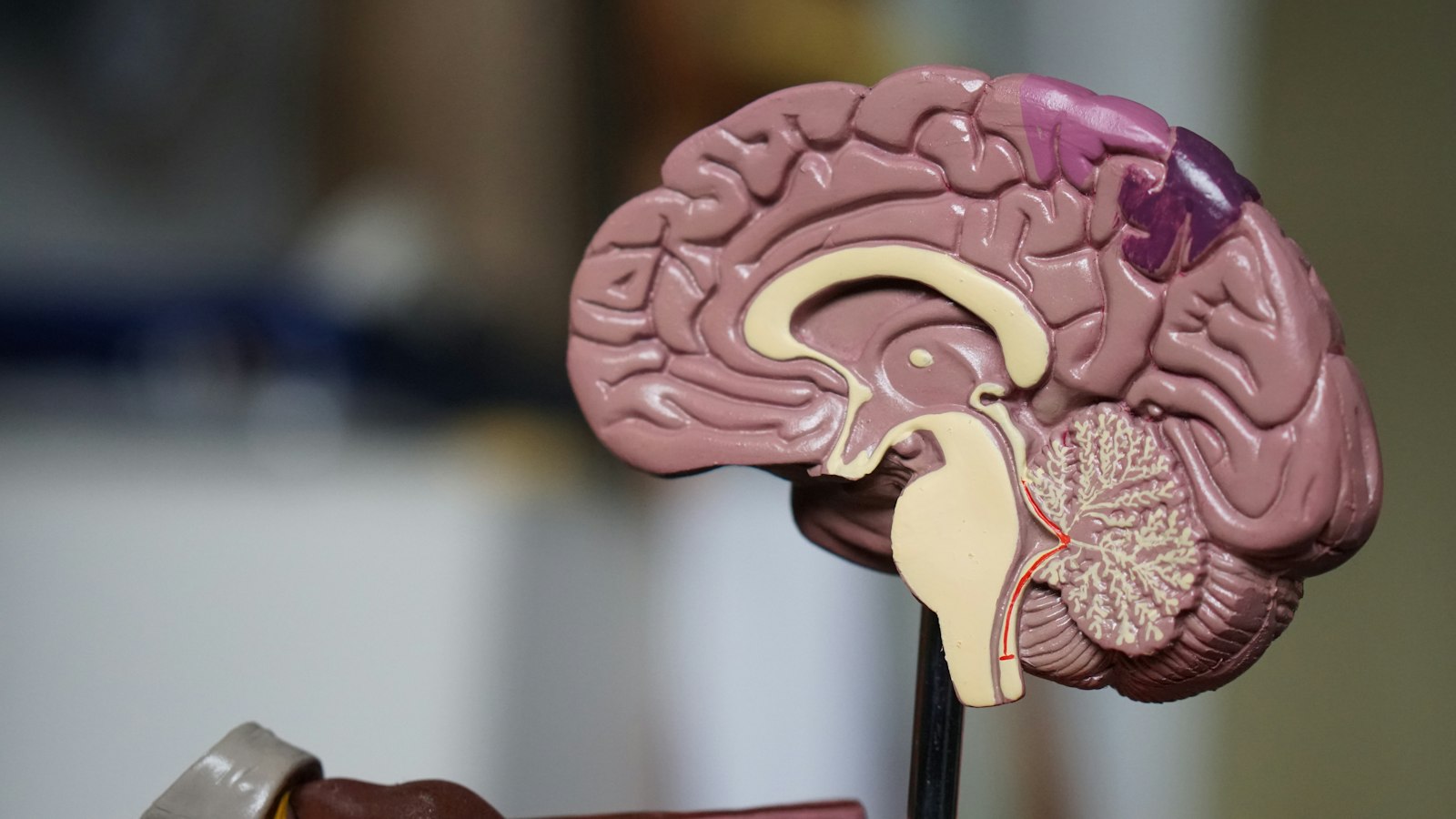
The Role of Memory Care in Personalized Plans
Memory care presents its own set of challenges. A person with dementia may not be able to articulate what they want, but their behaviors and reactions give clear signals. A good personalized care plan in this context focuses on reducing anxiety and maximizing moments of peace. For instance, if a resident becomes agitated in the late afternoon, known as sundowning, the plan might include a calming routine at that time: soft music, a familiar snack, or a short walk. It is about pattern recognition and responding with consistency.
Connect with us on Facebook.
I once worked with a woman who loved to fold laundry. It was a simple, repetitive task, but it gave her a sense of purpose and calm. Her care plan included time each morning to sort and fold towels. That small activity reduced her agitation so much that her need for anxiety medication dropped. That is the power of personalization. It does not always require expensive interventions. Sometimes it just requires paying attention.
Practical Steps for Families
If you are helping a loved one transition into assisted living or memory care, here are a few things you can do to ensure the care plan is truly personal:
- Write a one-page biography. Include where they grew up, what they did for work, their hobbies, their favorite foods, and their pet peeves. Share this with the care team. It helps staff see the person behind the diagnosis.
- Visit at different times of day. Drop by during meals, in the afternoon, and in the evening. Observe how the staff interacts with your loved one. Are they using their name? Are they engaging them in conversation?
- Ask about the daily schedule. A rigid schedule of group activities might not suit someone who prefers solitude. A good community will offer choices and respect preferences.
- Request regular care plan reviews. Do not wait for a problem. Ask for a monthly check-in to discuss what is working and what might need to change.
These steps may seem simple, but they build a foundation of trust and collaboration between the family and the care team. And trust is essential for a plan to succeed.
Why Personalization Matters More Than Ever
The aging population is growing, and with it, the demand for senior care. But volume should never come at the cost of individuality. Older adults have spent decades building their identities. They are not just patients or residents. They are former teachers, mechanics, artists, and parents. A care plan that ignores that history is incomplete.

One of the most rewarding parts of my work is seeing the light come back into someone's eyes when they realize they are still in control of their own life. A personalized care plan gives them that control. It says, "We see you. We hear you. We will work with you." That message alone can transform a reluctant move into a welcome new chapter.
I have also seen the opposite happen. When a plan is generic, the senior often withdraws. They stop eating well. They resist help. Their health declines faster than it should. The cost of not personalizing care is high, both in human terms and in healthcare expenses. A well-designed plan can prevent falls, reduce depression, and even delay the progression of some chronic conditions.
Bringing It All Together
The phrase personalized care plans seniors might sound like industry jargon, but in practice it is about the little things that make life worth living. It is about knowing that Mrs. Johnson likes her coffee with one sugar and no cream, and that Mr. Smith needs his crossword puzzle before dinner. It is about staff who take the time to learn those details and then act on them every single day.
That level of attention does not happen by accident. It requires a community that values training, low staff-to-resident ratios, and a culture of listening. It also requires families to be vocal advocates. You know your loved one better than anyone. Share that knowledge generously. It is the most powerful tool you have to ensure they receive care that fits.
If you are exploring options for a family member, I encourage you to ask pointed questions during tours. How do you create your care plans? Who is involved? How often are they updated? Do you accommodate dietary preferences beyond the basic menu? Can my loved one keep their own schedule for waking and sleeping? The answers will tell you a lot about whether the community delivers genuine personalization or just talks about it.

Ultimately, the goal is simple: help seniors live their days with dignity, comfort, and a sense of purpose. Personalized care plans are the roadmap to that goal. They are not a luxury. They are a necessity for quality care.
Hibiscus Court, located at 540 E Hibiscus Blvd, Melbourne, FL 32901, USA, can be reached at +1 321-361-5997 and offers assisted living, memory care, and respite services with personalized support for seniors and their families.